
Koga’s Zero
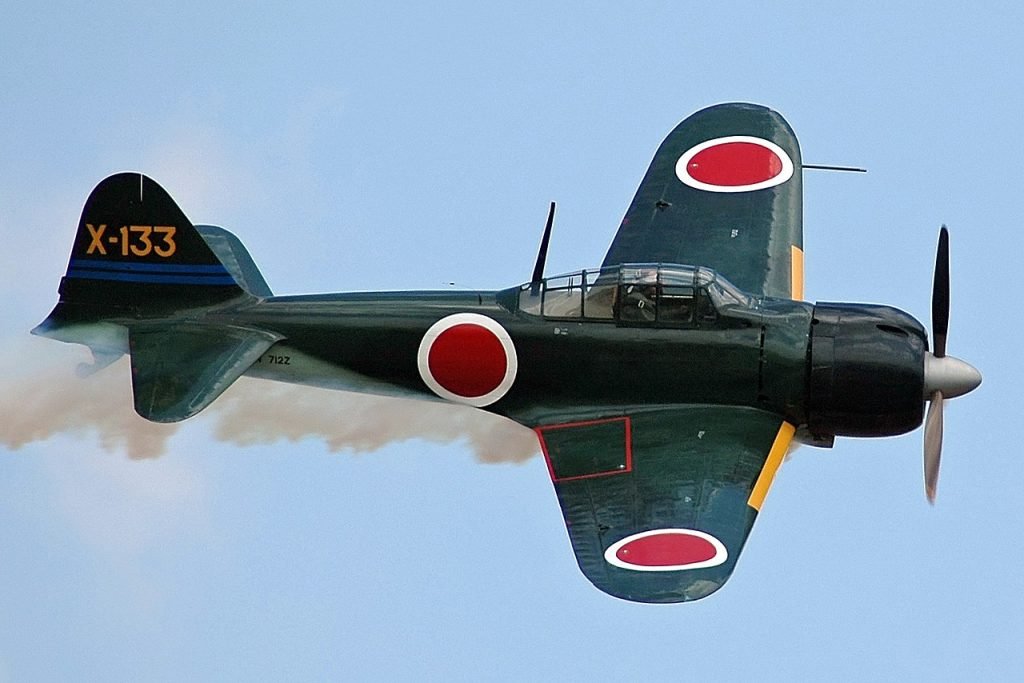
Flight Petty Officer Koga flew his oil-spewing airplane to Akutan Island , in the Aleutian chain, which had been designated for emergency landings. A Japanese submarine stood nearby to pick up downed pilots. At a level, grassy valley floor half a mile inland, Koga lowered his wheels and flaps and eased toward a three-point landing.
Fuchida’s Story
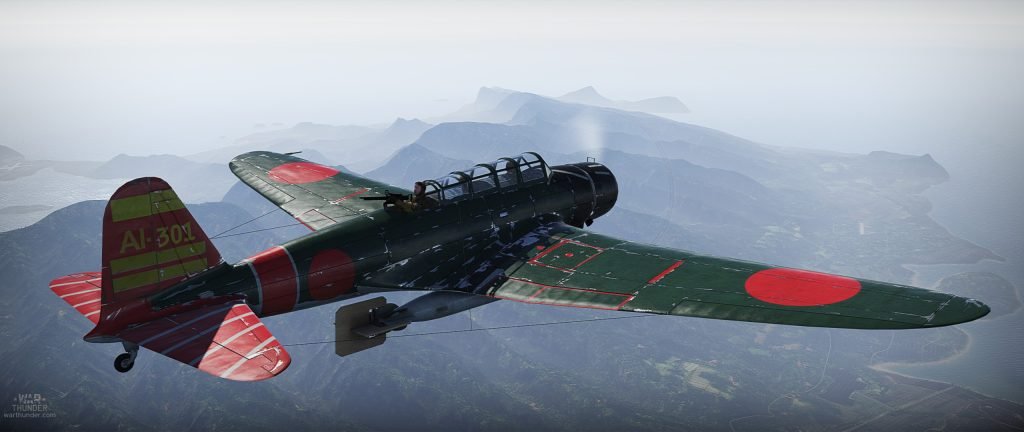
In September, 1941, I was transferred from the staff of the Third Carrier Division to aircraft carrier Akagi, a position I had left just one year earlier. Shortly after joining my old comrades in Akagi, I was given additional duty as commander of all air groups of the First Air Fleet. This was an assignment beyond all my dreams. I felt that some thing big must be afoot.
The Jerry Can
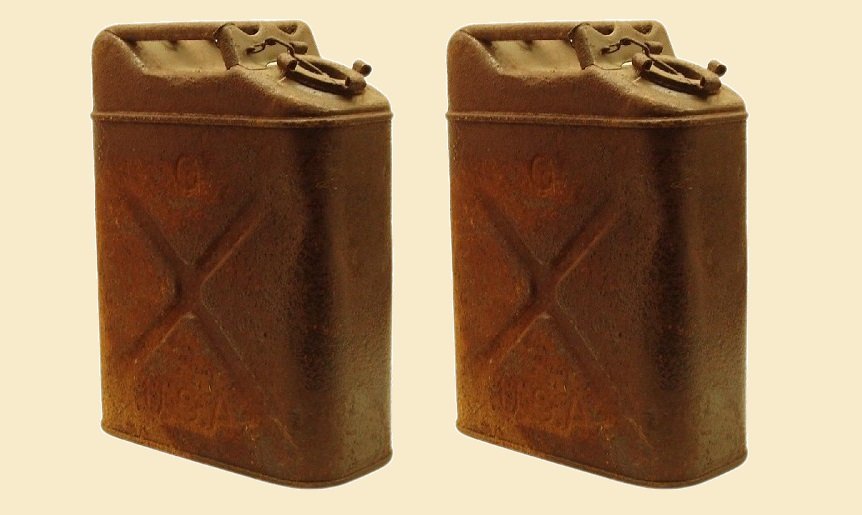
During World War II the United States exported more tons of petroleum products than of all other war material combined. The mainstay of the enormous oil-and gasoline transportation network that fed the war was the oceangoing tanker, supplemented on land by pipelines, railroad tank cars, and trucks. But for combat vehicles on the move, another link was crucial; smaller containers that could be carried and poured by hand and moved around a battle zone by trucks.
Bad Angel
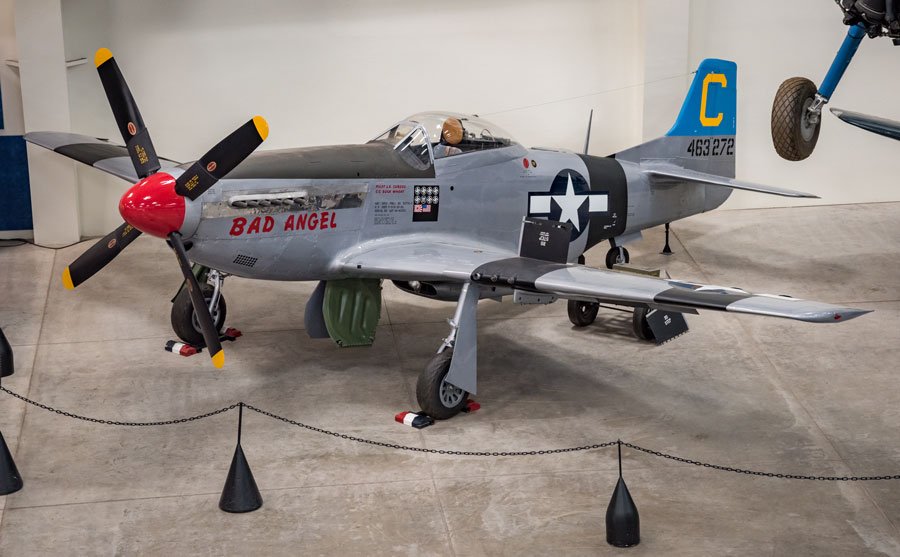
Louis Edward “Lou” Curdes (November 2, 1919 – February 5, 1995) was an American flying ace of the US Army Air Corps during World War II. He held the unusual distinctions of scoring an official downing of at least one aircraft from each of the major Axis powers (German, Italian, Japanese) and an INTENTIONAL air-to-air kill against another American aircraft as well. Here’s the story of he P51D Mustang he called “Bad Angel”
CNN Reports on the Commemorative Air Force
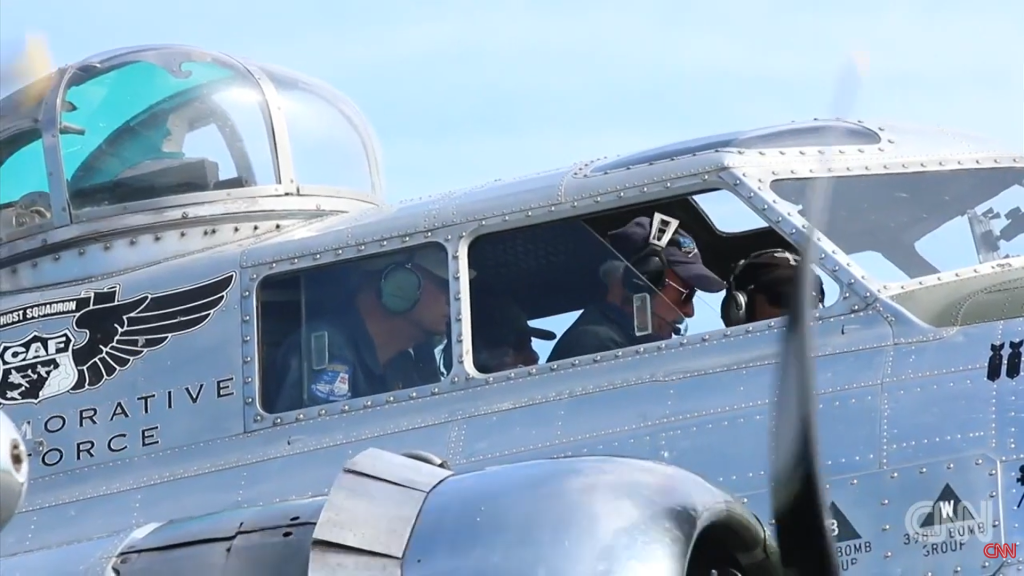
A winged piece of history sits parked at a small airport. It’s 70 years old, and in a few minutes, I’ll know firsthand if this old warbird can still fly. In all, nearly 13,000 B-17 Flying Fortresses rolled off the assembly lines. Now, only about a dozen flying B-17s remain – in the entire world. These are the famous bombers that helped the Allies win World War II.
The Strange WWII camp where Allies and Germans mixed
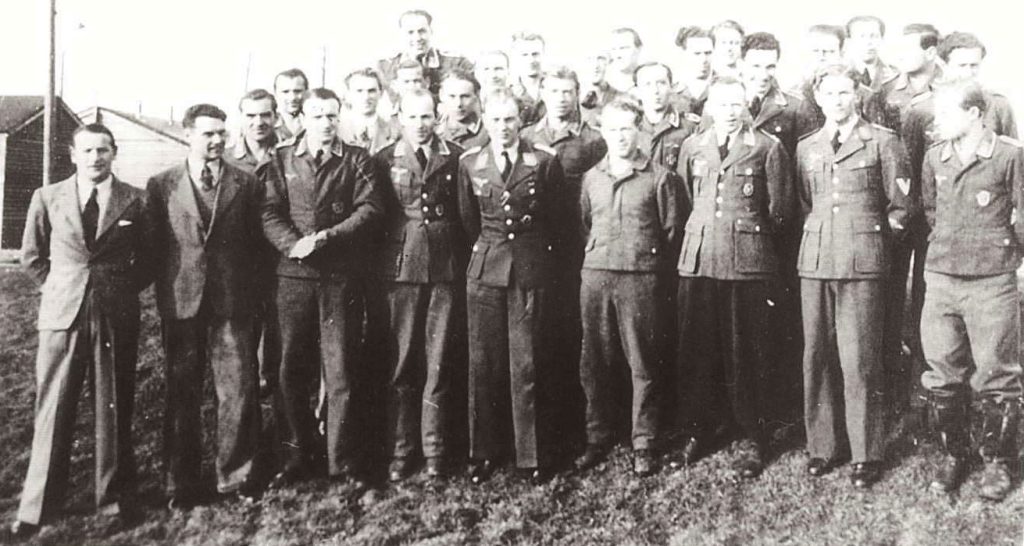
An attempt to recover a Spitfire from a peat bog in Donegal will highlight the peculiar story of the men – both British and German – who spent much of World War II in relative comfort in neighbouring camps in Dublin, written by historian Dan Snow.
The Almost Forgotten Airman
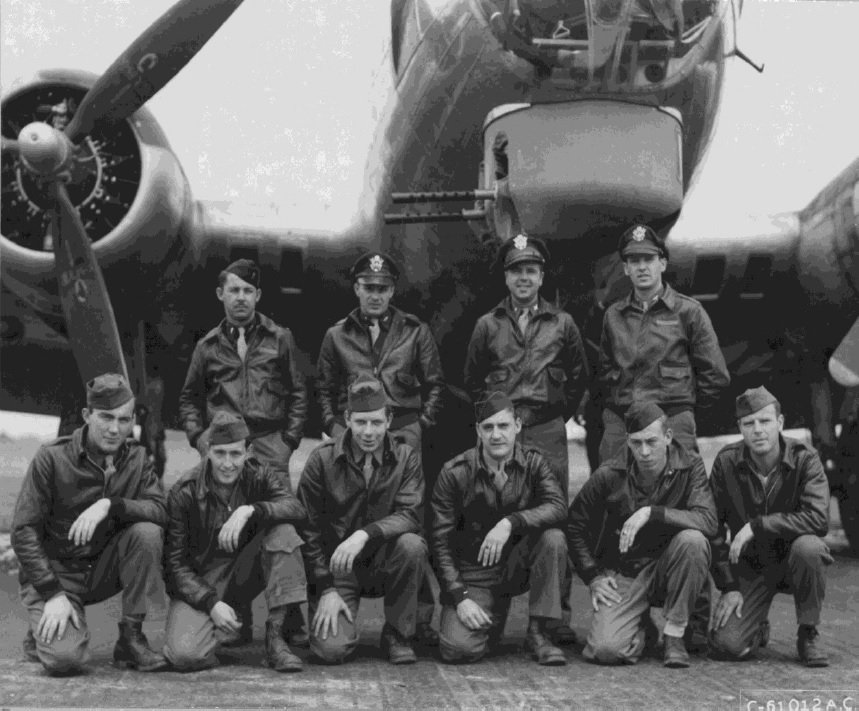
Young Wyatt has a special story that connects him to these airplanes, this airport and to these flyers: In his hand he clutches a faded and wrinkled photograph of a B17 crew from 1944. He approaches me under the nose of the Warbird Warrior Foundation’s PVN2 Harpoon, Attu Warrior, where I am stationed as part of my duties today as a sponsor and pilot, and says, “Can you help me find out about my great uncle?”
WW II Aircraft

Immediately after the end of the war in Europe, General Hap Arnold issued a directive calling on the U.S. forces to obtain at least one copy of every aircraft used by the Axis forces. The Freeman Army Airfield in Seymour, Indiana was designated as the location to evaluate each of these airplanes. The Indiana Military Organization maintains an incredibly detailed website that includes a great deal of information about each of these captured WW II aircraft.